We build computational models that combine genomics, epigenomics, and transcriptomics to reveal the molecular drivers of hematologic disease, inflammation, and the biology of spaceflight.
The Meydan Lab develops computational and machine-learning approaches for integrative analysis of large-scale molecular data. Working closely with experimental and clinical collaborators across Weill Cornell Medicine and beyond, we study how genetic, epigenetic, and environmental factors shape cell state in health and disease.
Epigenetic regulation and chromatin remodeling in acute myeloid leukemia and lymphoma, clonal evolution, therapy resistance, and immune reprogramming of the tumor niche.
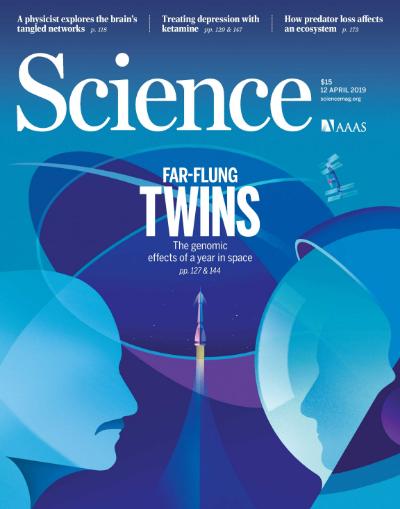
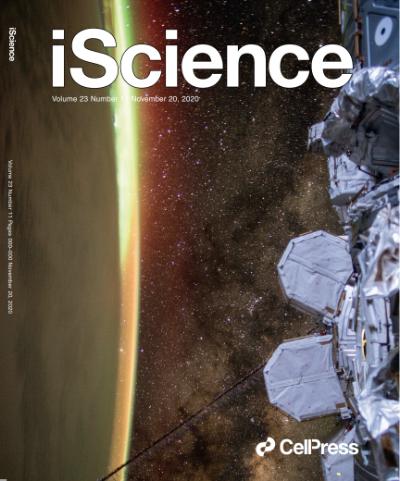
Multi-omic profiling of astronauts and model systems to understand how spaceflight and other inflammatory stressors, including viral infection, affect human physiology.
Metagenomic and host-response analyses that connect microbial communities and their environment to human biology and disease risk.
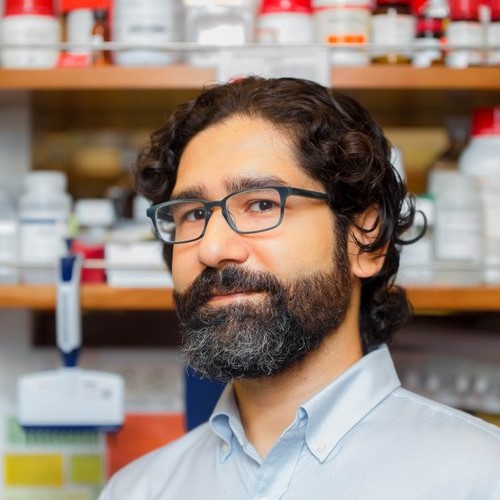
Assistant Professor
Computational Biology Research, Systems & Computational Biomedicine, Weill Cornell Medicine
WorldQuant Initiative for Quantitative Prediction
Meyer Cancer Center, Weill Cornell Medicine
Dr. Meydan is a computational biologist working on integrative analysis of epigenomic, genomic, and transcriptomic data using computational models and machine learning. His work spans hematologic malignancies, host response to infection, and human spaceflight, from the NASA Twins Study to the Space Omics and Medical Atlas, with more than 200 publications in journals including Nature, Science, Cell, and Cancer Cell.
Selected
Recent
* co-first author · # co-corresponding author
We welcome inquiries from postdoctoral fellows, graduate students, and research analysts with backgrounds in computational biology, machine learning, statistics, or genomics. Please email a CV and a brief statement of research interests.
Get in touch